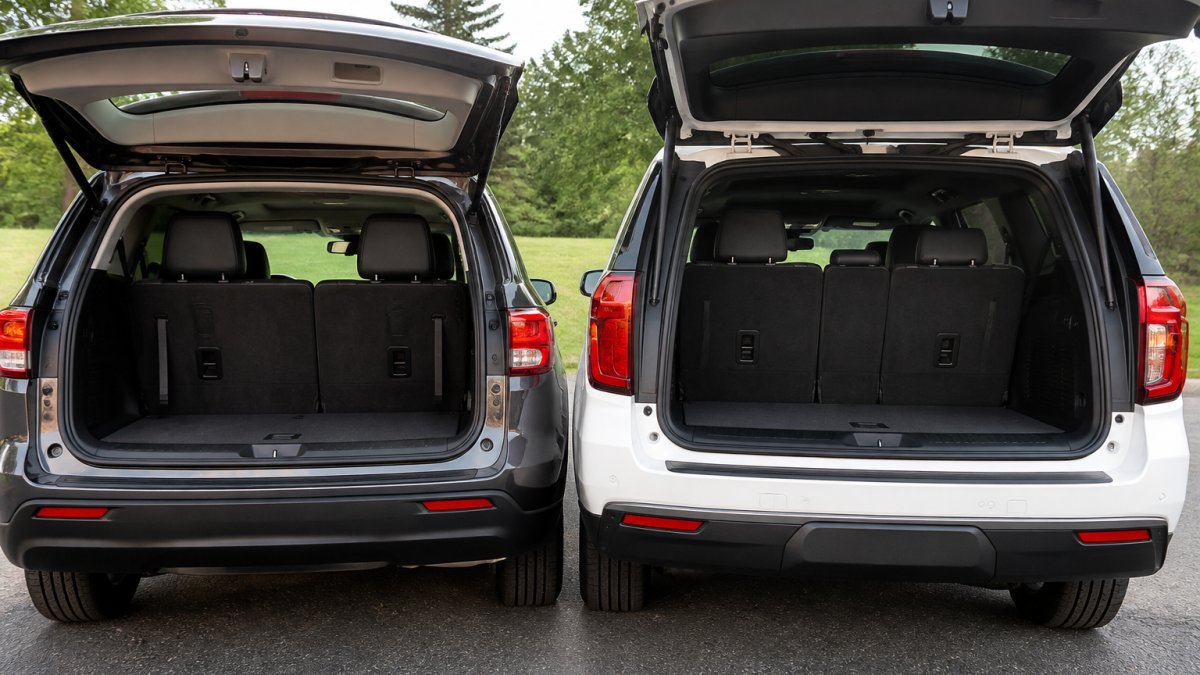
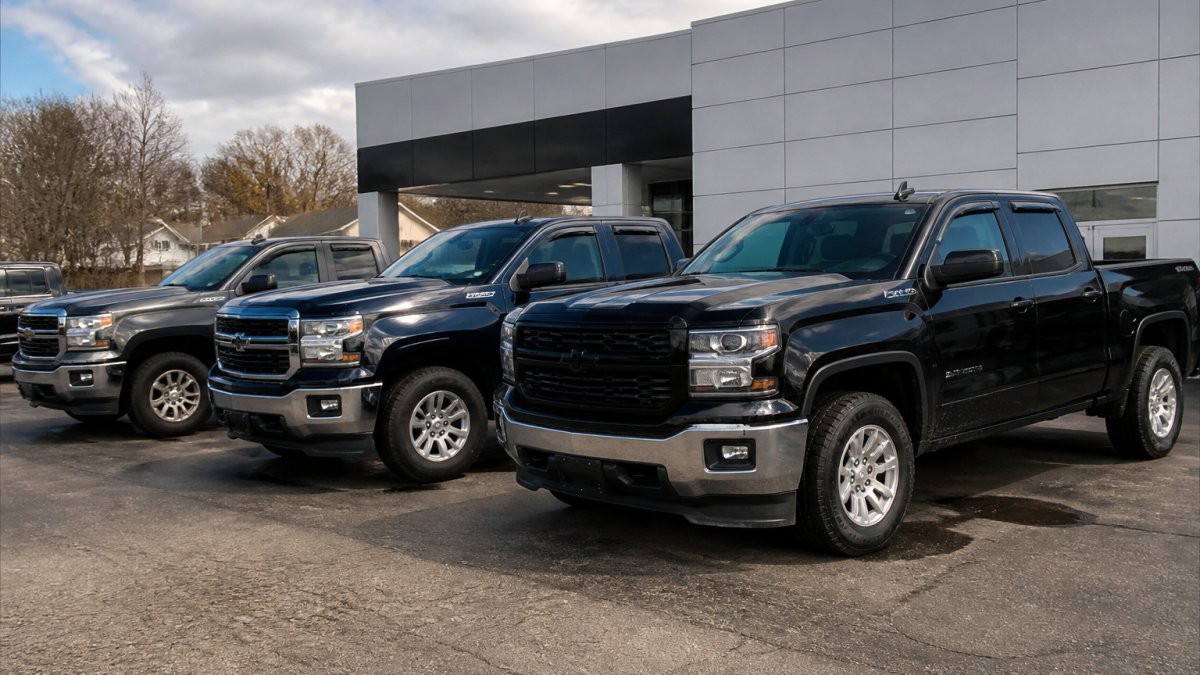
 comparison
Kelly Buick GMC Alternatives for Families: 2026 Guide
Table of Contents
- Why Families Choose GMC Dealerships for Vehicle Purchases
- Family-Friendly GMC SUVs: Three-Row Seating and Spacious Cabins
- Used GMC Yukon for Sale Near You: What to Evaluate
- Compare GMC Dealerships: Key Criteria for Families
- Used SUV Financing Options and Flexible Payment Plans
- Safety Features and Advanced Technology in Family Vehicles
- How to Choose the Right GMC Dealership Alternative
- Frequently Asked Questions
Last Updated: October 19, 2026
Why Families Choose GMC Dealerships for Vehicle Purchases
For a family vehicle, the dealership experience matters as much as the vehicle. Families seeking GMC alternatives families want transparency, genuine parts support, and financing that fits their situation.
The right dealership combines family-vehicle selection, honest pricing without hidden fees, and service support that keeps your vehicle running for years. A GMC specialist adds deep knowledge of the models families trust, from the spacious Yukon to the efficient Acadia.
What separates a dealership families return to is how they handle details: inventory that matches your needs rather than pressure toward what's in stock, clear upfront pricing rather than fees at signing, and honest work with your credit.
Family-Friendly GMC SUVs: Three-Row Seating and Spacious Cabins
The GMC lineup includes two primary family SUVs: the Yukon and the Acadia. Both offer three-row seating but serve different needs.

GMC Yukon: Full-Size Family Capability
The GMC Yukon is a full-size SUV built for families who need maximum passenger and cargo space, larger families or those frequently transporting equipment, gear, or multiple passengers.
The Yukon seats up to nine passengers across three rows, with genuine adult comfort in the first and second rows.
The full-size design has trade-offs: more fuel consumption, more parking space required, and harder maneuvering in tight urban environments. For suburban or rural families with regular highway driving, these rarely matter.
GMC Acadia: Midsize Comfort and Efficiency
The GMC Acadia is a midsize SUV that balances family capacity with everyday practicality, seating up to seven passengers with better fuel efficiency than the Yukon while maintaining genuine three-row seating.
The Acadia's second row offers genuine adult comfort, and the third row works well for children or occasional passengers.
Choosing between the Yukon and Acadia comes down to driving patterns. Long road trips with multiple passengers? The Yukon's extra space justifies the fuel consumption. Daily commuting with occasional outings?
Used GMC Yukon for Sale Near You: What to Evaluate
When shopping for a used GMC Yukon for sale near me, focus on three critical areas: mechanical condition, service history, and price transparency.
Request the complete service history before viewing.
Have an independent mechanic inspect any used vehicle before purchase. A pre-purchase inspection costs $100 to $200 and can save thousands by identifying hidden problems.
Verify the vehicle's accident history through a title report.
Compare pricing across multiple sources to establish fair market value.
Compare GMC Dealerships: Key Criteria for Families
Most dealership pages claim inventory, fair pricing, and good service, which tells you nothing useful when comparing stores for a family purchase. Score each dealership against the same family-specific criteria so the comparison is apples to apples. Here's a practical framework you can apply in one afternoon of phone calls and website checks.
1. Family-Fit Inventory, Not Just Inventory Count
A lot full of trucks is not a family selection. Ask three questions before you visit:
- How many three-row SUVs (Yukon, Acadia, and comparable models) do you have on the ground right now?
- How many of those have second-row captain's chairs versus a bench? Captain's chairs make third-row access much easier for kids and car seats.
- Can you send me the window stickers for the two or three vehicles closest to my budget?
Second-row configuration and third-row access matter more than raw inventory count, so make that the first filter.
2. Written, Itemized Pricing Before You Visit
Request an out-the-door quote by email listing vehicle price, documentation fee, title and registration estimates, taxes, and dealer add-ons. Compare doc fees across dealerships; they vary widely, and a low vehicle price can be erased by a high fee.
3. Financing Transparency for Real Credit Situations
Ask each finance office two questions: What APR range have you placed customers in over the last 90 days for a 60-month new-vehicle loan? And do you shop multiple lenders or use a single bank? A store working with several lenders can better fit a family with a thin credit file, a recent late payment, or a co-signer situation.
4. Service Access That Fits a Family Schedule
Family vehicles break down on school mornings, not on convenient Tuesday afternoons. Compare dealerships on:
- Whether they offer online scheduling with real appointment slots rather than a callback request.
- Whether they publish maintenance pricing (oil change, tire rotation, brake inspection) on their website.
- Whether they offer loaner vehicles or shuttle service for longer repairs.
- Saturday service hours, which matter enormously for two-working-parent households.
5. Child-Seat and Access Check on the Lot
Almost no dealership comparison includes this criterion, and families should weight it heavily. Bring your own car seat to the test drive, install it in the second row, then check:
- Can an adult sit in the seat next to the car seat without their shoulder being pushed into the door?
- With the car seat installed, can a child or adult still climb into the third row?
- Do the second-row seats slide and tilt forward easily with the car seat base in place?
- Is the lower LATCH anchor easy to reach, or buried behind stiff seat upholstery?
6. Reviews Read for Family Patterns, Not Star Averages
A 4.6-star average tells you little. Read the most recent 20 reviews for patterns in three areas: finance-office surprises, service-department communication, and treatment with children present. Two or three detailed reviews about a smooth car-seat install or an honest trade-in are worth more than a hundred one-line five-star ratings.
Used SUV Financing Options and Flexible Payment Plans
Financing determines whether ownership is affordable or stretches your budget too thin. Flexible financing means the dealership works with your credit situation, not against it.
| Financing Factor | What to Evaluate | Why It Matters |
|---|---|---|
| Interest Rate | APR offered based on credit score | Lower rate = lower total cost over loan term |
| Loan Term | 36, 48, 60, 72, or 84 months | Shorter term = less interest paid; longer term = lower monthly payment |
| Down Payment | Amount required upfront | Larger down payment = lower monthly payment and less interest |
| Trade-In Value | Credit for your current vehicle | Reduces the amount you need to finance |
| Pre-Approval | Financing approved before shopping | Gives you negotiating power and clear budget |
A legitimate financing partner offers multiple lenders and loan programs. Multiple lender relationships mean you're more likely to get approved and at favorable terms.
Safety Features and Advanced Technology in Family Vehicles
Safety is the one area where families shouldn't rely on a salesperson's summary. Separate three things: what independent testers measured, what the federal government requires, and what the specific vehicle includes as standard equipment.
Start With Independent Crash-Test Ratings
Two organizations publish ratings families can use directly:
- The National Highway Traffic Safety Administration (NHTSA) runs the federal New Car Assessment Program and publishes a 5-Star Safety Ratings system for frontal, side, and rollover crash protection. Ratings are searchable by make, model, and model year at nhtsa.gov.
- The Insurance Institute for Highway Safety (IIHS) publishes its own crashworthiness ratings and, importantly for families, evaluates how well front crash prevention systems and child-seat hardware perform. IIHS also maintains a list of vehicles that qualify for its Top Safety Pick awards each year.
Before you test drive, look up the exact model year on both sites. Ratings change between model years, and a top rating from two years ago may not carry over. Confirm the model year of the vehicle you're driving and compare that year, not the nameplate in general.
Understand What Federal Rules Require Versus What Is Optional
Every new passenger vehicle sold in the U.S. must meet Federal Motor Vehicle Safety Standards covering backup cameras, electronic stability control, tire pressure monitoring, and child restraint anchorage systems. That's the floor, not a selling point. What varies by trim and model is the advanced driver-assistance equipment:
- Automatic emergency braking with pedestrian detection
- Lane departure warning and lane-keeping assist
- Blind-spot monitoring with rear cross-traffic alert
- Adaptive cruise control
- Rear automatic braking
Many are standard on some trims and optional or unavailable on others. Ask for the Monroney label on the exact vehicle and confirm which systems are standard. "Available" in a brochure means you may not get it on the vehicle in front of you.
Evaluate Child-Seat Fit as a Safety Feature
Child-seat fit is a safety issue, not a convenience issue. NHTSA publishes a car seat inspection locator and recommends certified child passenger safety technicians check installations; many fire departments and hospitals offer this free. When evaluating a vehicle:
- Check that the second-row LATCH anchors are visible and reachable without removing cushions.
- Confirm the third row has tether anchors if you plan to install a forward-facing seat there.
- Test whether a rear-facing infant seat fits behind the front passenger seat without forcing that seat uncomfortably far forward.
A vehicle that technically seats seven but cannot fit your actual car seats is not a family vehicle for your family.
Technology That Reduces Distracted Driving
Apple CarPlay and Android Auto project navigation and messaging onto the vehicle's built-in screen, which is safer than handling a phone. Look for wireless versions if you want to avoid cables, and confirm whether the system supports voice commands for navigation and calls. Also check whether the vehicle has a 360-degree camera or a rear camera with a cleaning feature, both of which help in tight parking lots and around small children.
Ask for the Safety Documentation
A well-run dealership can produce the Monroney label, the NHTSA rating for the specific model year, and the IIHS rating on request.
How to Choose the Right GMC Dealership Alternative
Selecting a dealership comes down to matching your priorities with what it actually delivers.
Visit in person and observe how they treat you. Do salespeople listen, or push the highest-priced vehicle?
When evaluating GMC alternatives families should compare at least three dealerships before deciding.
Choosing a family vehicle and dealership requires balancing space, safety, financing, and dealer reliability.
Frequently Asked Questions
What GMC SUV is best for families with multiple children?
The GMC Yukon and GMC Acadia both offer three-row seating suitable for families. The Yukon provides full-size capability with maximum cargo space, while the Acadia delivers midsize efficiency and easier maneuverability. Your choice depends on whether you prioritize maximum passenger capacity or fuel economy. Test drive both to see which fits your family's daily commute and travel needs.
How do I compare GMC dealerships to find the best option?
When comparing GMC dealerships, evaluate inventory depth (do they stock the models you want?), pricing transparency (are fees clearly disclosed upfront?), financing flexibility (do they work with various credit profiles?), and service support (do they offer genuine GM parts and convenient maintenance scheduling?). Ask about their service turnaround time and whether they provide online tools for scheduling and financing applications.
What should I look for when buying a used GMC Yukon for sale near me?
Check the vehicle's maintenance history, inspect safety features and driver-assistance technology, verify the condition of all three rows of seating, and test cargo capacity with your typical family gear. Request a pre-purchase inspection from the dealership's service department. Ask about warranty coverage and confirm the dealership offers genuine GM parts for any future repairs you may need.
Can I get financing for a used SUV with flexible payment options?
Yes. Dealerships offer flexible financing for used SUVs and work with buyers across different credit profiles. Speak with their financing experts about monthly payment options, trade-in opportunities, and special offers. Many dealerships provide online financing applications, allowing you to explore options before visiting. Transparent dealers will show you the full cost breakdown including any fees upfront.
What ownership costs should I consider beyond the monthly payment?
Factor in insurance, fuel consumption, maintenance (oil changes, brakes, tire rotations), and genuine GM parts replacement costs. Three-row SUVs typically have higher fuel costs than smaller vehicles. Ask the dealership about service plans and warranty coverage, which can reduce unexpected repair expenses. Request an estimate of typical annual maintenance costs for the specific model you're considering.